

The Rise of Demo Versions: Enhancing User Experience Before Purchase
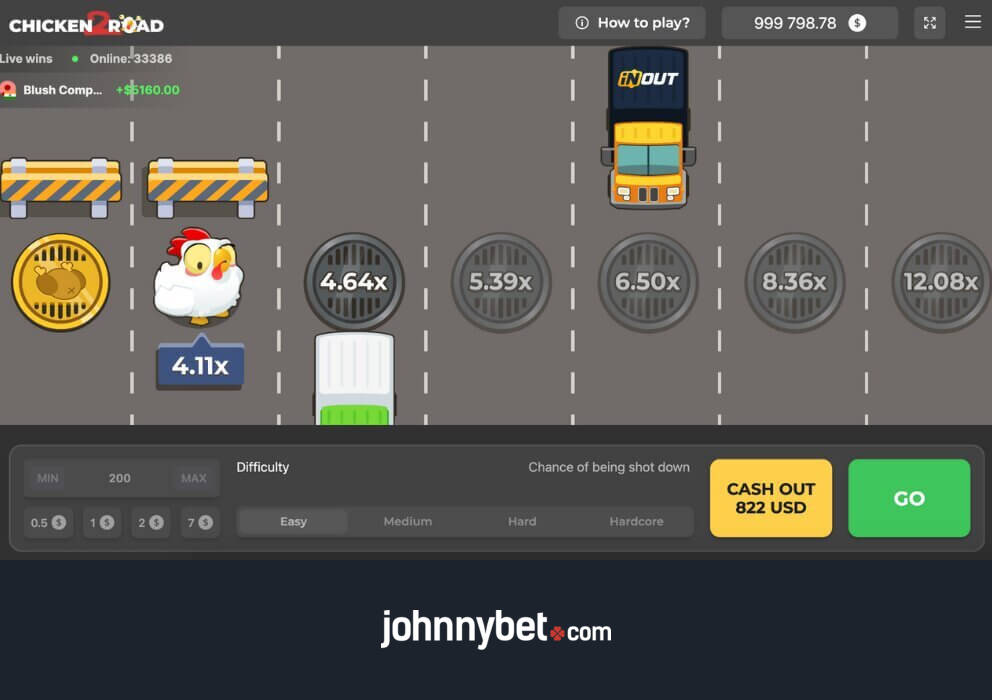
In today’s world where the digital marketplace is brimming with options, consumers often find themselves at a crossroads when it comes to making purchasing decisions. With an abundance of products and services available, how do consumers ensure that they are making the right choice? This is where demo versions come into play. Demos allow potential buyers to test a product or service before committing to a purchase. Not only do they provide insight into functionality and usability, but they also play a significant role in reducing buyer’s remorse. For those looking for fun and engaging experiences, demo Chicken Road free demonstrates how a good demo can attract attention and encourage further exploration.
The Concept of Demos Across Various Industries
Demo versions are prevalent in various industries, including software, gaming, music, and even physical products. In software, companies often release trial versions of their applications, allowing users to explore features and functionalities for a limited time. This strategy not only helps users decide if the product meets their needs but also allows developers to gather feedback for improvements.
In the gaming industry, demos have become a staple marketing tool. Gamers can download playable levels or beta versions of new titles, providing them with a taste of what to expect before purchasing a full game. This practice not only creates buzz and excitement but also builds a loyal following as players feel more connected to the product before its official release.
Benefits of Using Demo Versions

The advantages of demo versions extend beyond merely showcasing a product. Here are some key benefits:
- Informed Decision-Making: Demos enable consumers to navigate their own personal experiences with a product, allowing them to make informed choices based on their unique preferences and requirements.
- User Engagement: Providing a demo version encourages user engagement. Consumers feel more inclined to explore and interact with a product when they can test it first.
- Reduced Returns: One of the critical issues businesses face is product returns. By allowing consumers to try before they buy, demos can significantly reduce the likelihood of buyer’s remorse, leading to fewer returns.
- Building Trust: Offering a demo version shows that a company is confident in its product. This transparency can build trust and credibility with potential customers.
Implementing Demos Effectively
While offering a demo is beneficial, the implementation must be well thought out to maximize its impact. Here are some best practices:
- Limit the Features: While it might be tempting to offer all features in a demo, providing a limited selection often encourages users to purchase the full version to unlock additional functionalities.
- Time-Limited Trials: Offering a time-limited trial (e.g., 7 or 14 days) can create a sense of urgency, encouraging users to explore the product and make a decision swiftly.
- User-Friendly Design: The demo experience should be as user-friendly as possible. Intuitive navigation and clear instructions can greatly enhance user understanding and enjoyment.
- Follow-Up Communication: Engaging with users after they have experienced the demo can lead to a higher conversion rate. Gathering feedback and addressing user questions can create a more personalized experience.
Challenges Associated with Demos
Despite the many advantages, there are challenges associated with providing demo versions:
- Cost: For services or products that require significant resources to develop or deliver, creating and maintaining demo versions can be costly.
- Imitation Risk: In some industries, there is a risk that competitors may use demo versions to understand and replicate a company’s offering.
- Perceived Value: Some consumers might undervalue ultra-free demos, associating them with inferior quality compared to paid products.
The Future of Demos
As the digital landscape continues to evolve, so too will the approach to demos. With the rise of technologies such as augmented reality (AR) and virtual reality (VR), companies will find new and innovative ways to offer demos that engage consumers on a deeper level. For instance, imagine trying on virtual clothes in a retail setting or test-driving a vehicle through a realistic simulation.
Moreover, personalized demos that adapt to individual user preferences based on AI and machine learning may become standard, allowing companies to curate experiences that better align with consumer desires.
Conclusion
Demo versions represent a critical intersection between consumer choice and product marketing. By empowering users to make informed decisions, businesses can build trust and loyalty while simultaneously enhancing the overall user experience. As technology advances, the ways in which demos can be implemented will undoubtedly evolve, but the overarching goal will remain the same: to create a connection between the user and the product that encourages confident purchasing decisions.

